
The “Poverty Row Picture Show” is an ongoing series exploring the horror films of Monogram Pictures, Republic Pictures, and PRC, known as the “poverty row” movie studios of Hollywood’s Studio Era. Poverty Row movies were marked by limited budgets, outlandish concepts, and questionable performances. While not great, there remains an everlasting charm with enough star wattage – Boris Karloff, Bela Lugosi, John Carradine, and others – to keep you coming back. As they say, to be in a Poverty Row picture, your career was either moving up or going down!
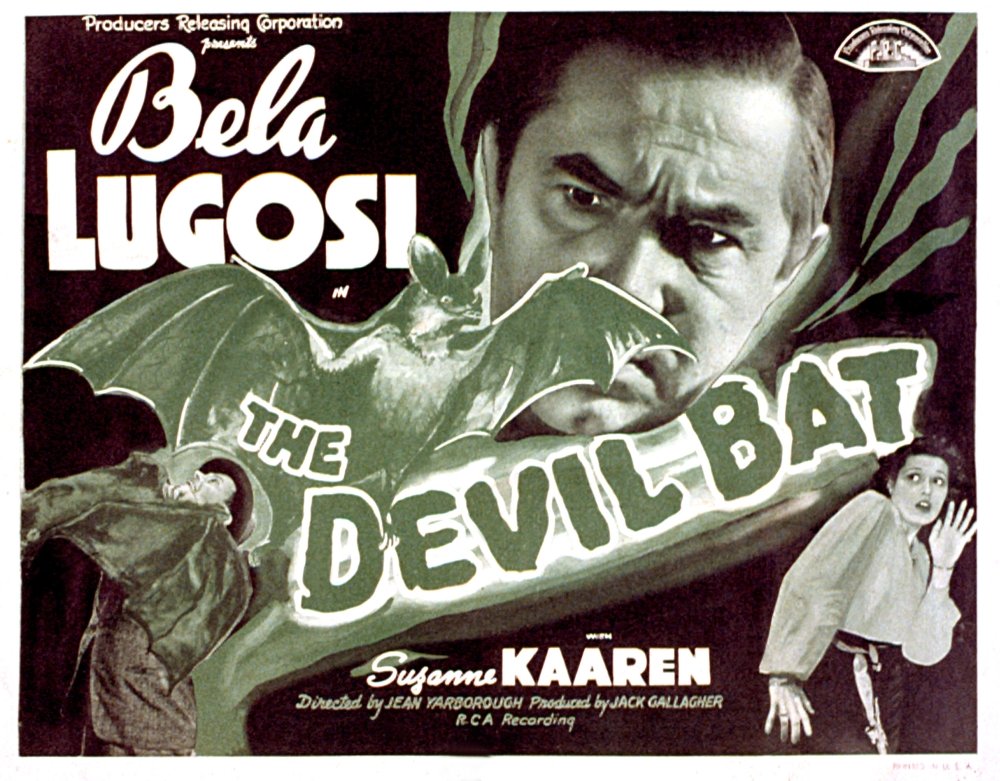
This are getting C-A-M-P-Y here at the Poverty Row Picture Show! And leave it to Bela Lugosi to imbue threadbare horror with his trademark intensity; we may be laughing at the effects, but Lugosi wouldn’t be caught dead smirking at the absurd thrills flying around his arched-eyebrows. Ladies and gentleman, behold The Devil Bat from Producers Releasing Corporation (PRC), the smallest and cheapest of the eleven Hollywood film studios at the time: the quintessential poverty row company.
Director: Jean Yarborough
Screenplay: John T. Neville
Producers: Guy V. Thayer Jr., Jack Gallagher
Cinematography: Arthur Matinelli
Editing: Holbrook N. Todd
Music: N/A
Select Cast: Bela Lugosi, Suzanne Kaaren, Dave O’Brien, Guy Usher, Yolande Donlan, Donald Kerr
Runtime: 68 minutes
Country of Origin: USA
Release: November 11, 1940. Producers Releasing Corporation
The Devil Bat tells the tale of Dr. Paul Carruthers (Lugosi) who has been secretly inducing bats with growth hormones as a means to exact revenge on those who have wronged him. Carruthers is a chemist for a cosmetic firm and invented a cold cream that brought the company millions in revenue; however, Carruthers never settled for a stake in the company, instead opting for a one-time payout. This has led the doctor to harbor a deep resentment toward the owners, Henry Morton (Guy Usher) and Martin Heath (Edward Mortimer), the latter of whom has lent his name to the town Heathville and whose sons are also targets of Carruthers’ mad designs. His plan, as he explains to his now gigantic bat, is to dupe the Heaths into daubing on a unique aftershave that has been engineered to elicit bloodthirsty tendencies in the creature. The plan works marvelously as Carruthers sics his bats on the unsuspecting elite.
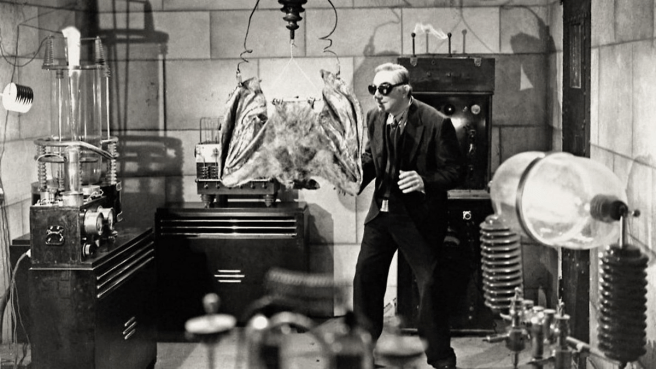
As the death toll mounts, the local police are stumped. Victims’ jugular veins have been cut, and yet there are no tracks or other evidence to suggest a perpetrator. The only clue is a rodent’s hair, found on a body. This mystery piques the interest of Chicago reporter Johnny Layton (Dave O’Brien) and his photographer “One-Shot” McGuire (Donald Kerr). In broad comedic interplay, they convince their beleaguered editor to let them visit Heathville for the scoop. Together with a somewhat reluctant police chief (Carruthers is a popular figure in town), the team follow the trail to the doctor’s secret laboratory. It all ends in spectacular, though expected, poetic justice when Carruthers is tricked into applying his own aftershave and the devil bat swoops in for the final kill.
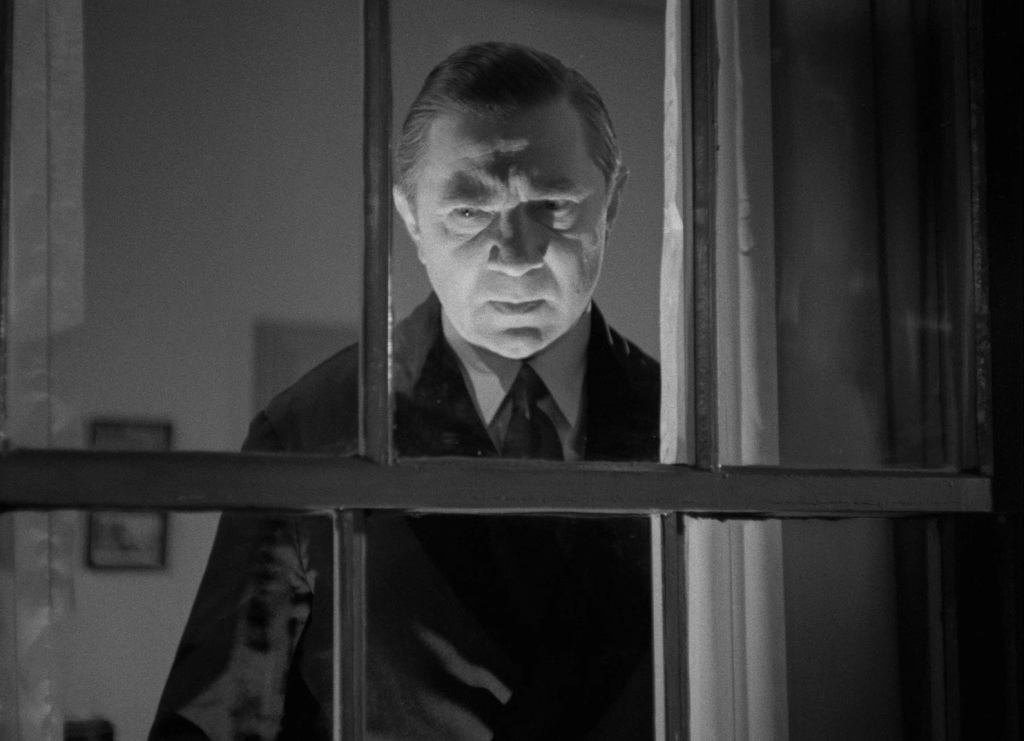
The strengths of The Devil Bat lie in its by-the-numbers plotting. It introduces plenty of red-shirts, damsels-in-distress, and a compelling mad scientist to keep it rolling. Bela Lugosi plays Dr. Carruthers perfectly; he is able to charm the townsfolk by day and unleash hell upon them at night. In a way, this duality mirrors Lugosi’s own standing in Hollywood at the time. He alternated between supporting roles at major studios and leading roles with the minis; it was with the likes of PRC and Monogram Studios where Lugosi would ultimately forge his legacy. The results would be mixed, but The Devil Bat is generally perceived as a B-movie classic by modern audiences. Lugosi is clearly enjoying the meaty role and hams it up accordingly. The direction by Jean Yarbrough is equally gleeful; there is a sense of going for broke, and therefore, a sense of tremendous fun. The devil bat itself is depicted as a rubber monstrosity on wires gliding down into its victims; and in close ups, stock film of a fruit bat is utilized with charming effect.
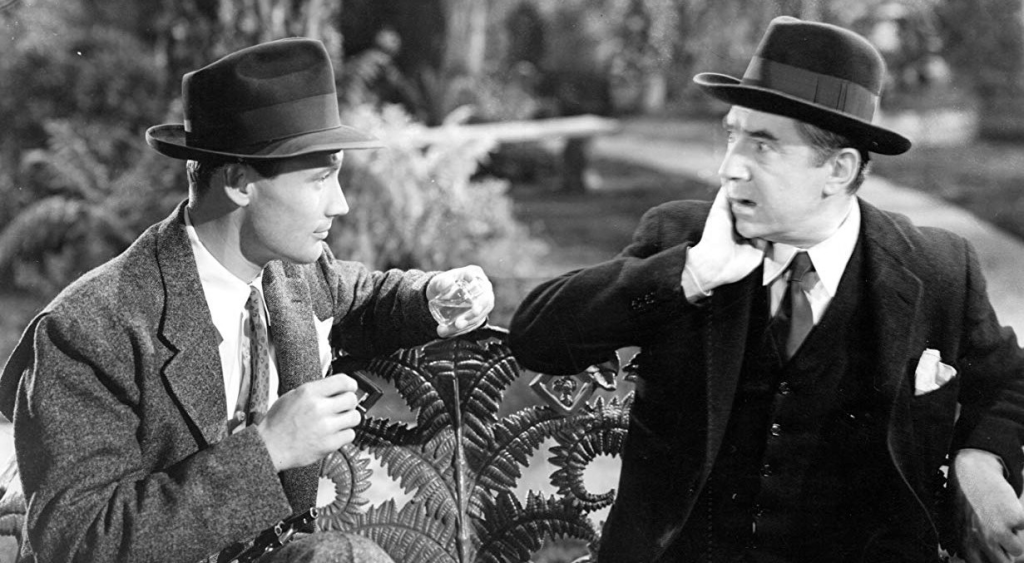
Conversely, the faults of The Devil Bat could be exactly what makes it so entertaining. The by-the-numbers plotting could be viewed as overly simple; once you’ve seen one death-by-bat, you’ve seen ’em all. Most glaringly banal, however, is the comedic relief of the film, particularly “One-Shot” McGuire. He bumbles and cracks wise at a tiresome rate; dull jokes are made worse by poor delivery. Thankfully, however, the film is too short to dwell much on these antics. It is never too long before we’re back to the laboratory and Lugosi’s diabolical scheming.
Overall, The Devil Bat is a high-water mark in the history of poverty row films. Yes, the film still suffers from the trappings of such films (dodgy effects and questionable performances), but we must judge these movies relative to their counterparts. Compared to Boys of the City, The Devil Bat is terrific and well worth checking out. Copies of the film are freely available on the internet and you will find editions in black & white and color.
Next time on the Poverty Row Picture Show, we will continue our Bela Lugosi theme with Invisible Ghost (1941) from Monogram Studios. Lugosi plays another popular town figure, but this time the madness stems from murderous fits of sleepwalking! A promising scenario that may or may not live up to the hype.
Don’t miss the next review – enter your email here!
And follow CAMP KAIJU wherever you podcast!
 Camp Kaiju
the cheese is thick with this one!
Definitely a fun one, kick back and enjoy it as much as Lugosi is
LikeLike
Honestly, The Devil Bat is still the most all-around entertaining of these Poverty Row b-movies! It’s both cheesy and well-made enough to hold your attention.
LikeLike